Who Is Responsible for Injuries Caused by Fireworks in Connecticut?

In Connecticut, summer celebrations often include backyard BBQs, pool parties and fireworks. But as fun as they may seem, fireworks can quickly turn dangerous. Every year, thousands of people suffer burns, eye injuries, and other serious harm from fireworks mishaps. So, what happens when someone is hurt? Who’s responsible?

At Vining Law Firm, we get this question every summer. And the answer depends on how the injury occurred, who was involved, and whether Connecticut law was followed. Here’s what you need to know.

Fireworks and Injury: The Risk Is Real

According to the Consumer Product Safety Commission, nearly a third of fireworks-related injuries occur in children under 15. Young adults under 25 are the most at-risk age group. Injuries can range from minor burns to severe trauma, including loss of fingers, eye damage, hearing loss and in some cases, even death.

In Connecticut, where certain types of fireworks are illegal without a permit, the risks are even more serious. Many injuries are the result of negligence, alcohol use, or illegal use of explosive devices.

Connecticut Fireworks Law

Connecticut law only allows the use of sparklers and fountains that are non-explosive and non-aerial. Any other type of firework including Roman candles, bottle rockets, and firecrackers—is illegal for personal use without a permit. If someone is injured by illegal fireworks, the person who purchased, used, or supplied them may face civil—and possibly criminal—liability.

Who Can Be Held Liable?

1. The Person Setting Off the Fireworks

If someone sets off fireworks in an unsafe manner or in violation of the law, they may be held liable for any injuries that result. This includes:

  • Aiming fireworks at people or property
  • Allowing children to use them unsupervised
  • Ignoring safety warnings or directions

2. Homeowners and Property Owners

If an injury happens at a private residence, the homeowner may be responsible—especially if they knew fireworks were being used illegally or unsafely on their property.

3. Adults Responsible for Children

Adults who supervise—or fail to supervise—children using fireworks can be held accountable. Giving a minor access to fireworks or encouraging dangerous behavior could make that adult liable for resulting injuries.

4. Manufacturers and Retailers

If a firework malfunctions due to a manufacturing defect (like a short fuse or an overly powerful charge), you may have a product liability claim. That could include:

  • The company that made the firework
  • The distributor or importer
  • The store that sold it

In many cases, fireworks are imported from overseas, which can make holding the original manufacturer accountable difficult. However, Connecticut law does allow claims against sellers and distributors within the U.S. supply chain.

What If the Injured Person Was Partly at Fault?

Connecticut follows a modified comparative negligence rule. If the injured person is found to be 51% or more at fault for the accident, they may not be able to recover damages. But if they are less than 51% at fault, they can still recover compensation—reduced by their percentage of fault.

What To Do If You’ve Been Injured by Fireworks

  1. Get medical attention immediately. Even minor burns can lead to infections or complications.
  2. Document the incident. Take photos of your injuries, the scene, and the firework debris.
  3. Collect witness statements. If anyone saw what happened, their account could support your case.
  4. Report the incident. Notify local authorities, especially if illegal fireworks were involved.
  5. Contact a personal injury lawyer. The sooner you get legal help, the better your chances of building a strong case.

Injured by Fireworks? Let’s Talk.

At Vining Law Firm, we help Connecticut residents get the answers and compensation they need after accidents—fireworks-related or otherwise. If you or a loved one was injured during a summer gathering, reach out for a free consultation.

Victory Starts with Vining Law.

Disclaimer: This blog is for informational purposes only and should not be construed as legal advice. Consult with a qualified attorney for legal guidance specific to your situation.


Summer Injury Safety: 4 Tips to Help Keep You and Your Family Safe in Connecticut

Summer in Connecticut means barbecues, bike rides, beach days, and backyard fun. While we’re all for soaking up the sun, the truth is that injuries tend to spike in the summer months—especially among kids. At Vining Law Firm, we’ve seen firsthand how a day of fun can quickly take a turn. That’s why we’re sharing four key safety tips to help prevent common personal injuries this season.

1. Bike & Scooter Safety: Gear Up and Be Seen

Warm weather brings more bikes and scooters out on the road. Unfortunately, it also brings more accidents. Crashes often happen because of:

  • Distracted drivers
  • Poor road conditions or visibility
  • Bike defects
  • Riders skipping safety precautions

Safety Tips:

  • Always wear a helmet—no exceptions
  • Ride with traffic and obey all traffic signals
  • Use bike lights or reflectors at dawn, dusk, or night
  • Make sure your bike or scooter is in good working condition

We often represent clients injured by negligent drivers who didn’t see them until it was too late. If you or your child is injured while riding this summer, call us.

2. Pedestrian Safety: Watch the Road and Stay Visible

Taking a walk? Be careful—pedestrian accidents tend to rise in the summer.

What to Do:

  • Cross only at marked crosswalks
  • Teach kids how to obey crosswalk and traffic signals
  • Wear reflective clothing or carry a flashlight at night

Drivers often overlook walkers and runners, especially in residential areas. Staying alert—and visible—can go a long way in preventing serious injuries.

3. Water Safety: Life Jackets and Supervision Save Lives

Whether you’re boating on Candlewood Lake or swimming in a backyard pool, water safety should always be top of mind.

Tips for Safe Swimming:

  • Children should always be supervised around water—even if they know how to swim
  • Wear a life jacket when boating or using watercraft
  • Install secure fencing around home pools
  • Know the signs of drowning—it’s often silent

Connecticut has clear guidelines about life jacket use for children. Stay informed and take precautions before heading to the water.

4. Playground Safety: Check Equipment and Set Boundaries

Playgrounds are a summer favorite—but they can also be the site of serious injuries.

Before You Let Kids Play:

  • Check for broken or rusted equipment
  • Make sure everything is stable and properly assembled
  • Monitor children to ensure they’re using age-appropriate equipment

Avoid double riders on swings or slides, and help younger children navigate climbing structures they’re not ready to handle alone. Simple supervision can prevent a trip to the ER.

Final Thoughts

We want your summer to be full of fun—not accidents. Whether you’re spending time in your own backyard or exploring Connecticut’s parks and neighborhoods, a little awareness can go a long way.

If someone in your family is injured due to someone else’s negligence this summer, Vining Law Firm is here to help. We’ll review your situation, explain your legal options, and fight for the compensation you deserve.

Contact us today for a free consultation.

Victory Starts with Vining Law.

Disclaimer: This blog is for informational purposes only and should not be construed as legal advice. Consult with a qualified attorney for legal guidance specific to your situation.

How Medical Records Can Make or Break Your Car Accident Case

If you’ve been hurt in a car accident in Connecticut, medical records can be the difference between a weak claim and a strong one. These records provide the proof insurance companies and courts need to understand your injuries, link them to the crash, and determine what compensation you’re owed.

1. Proving Your Injuries and Treatment

Your medical records tell the story of what happened to you. From ER visits and X-rays to surgery notes and physical therapy logs, every piece of documentation strengthens your case. These records show the nature, severity, and duration of your injuries—leaving less room for the other side to question your claim.

Doctor’s notes often include professional opinions connecting your injuries to the accident. That connection is critical. Without it, insurance companies may argue your injuries were pre-existing or unrelated.

2. Calculating Economic Damages

Medical bills are key to calculating the financial side of your claim. Records of hospital stays, prescriptions, rehabilitation, and follow-up care help determine what you’re owed for out-of-pocket expenses. If you’ll need future treatment, doctors can include those recommendations in your file—increasing the value of your claim.

3. Supporting Pain and Suffering Claims

Pain and suffering are harder to prove than physical injuries, but your records can help. Notes about chronic pain, limited mobility, emotional distress, or PTSD support your claim for non-economic damages. Mental health records and therapy notes can also be used to show the emotional toll of the accident.

4. Addressing Pre-Existing Conditions

Insurance companies love to blame your injuries on past medical issues. That’s why your attorney will use medical records to prove the accident caused new injuries or worsened a pre-existing condition. Imaging results like MRIs or CT scans provide clear before-and-after comparisons.

5. Demonstrating Consistent Treatment

Gaps in treatment can hurt your claim. If you miss appointments or delay care, insurers may argue that you’re not seriously injured. Consistent medical documentation shows that your injuries are legitimate and ongoing—helping your attorney push for full compensation.

6. Strengthening Settlement Negotiations

Insurance adjusters rely heavily on medical records to determine settlement offers. A well-documented file makes it harder for them to lowball you. If you have extensive records showing the impact of the crash on your health and life, your attorney can negotiate from a stronger position.

7. Preparing for Trial

If your case doesn’t settle, those same medical records become critical evidence in court. Your lawyer may use them to cross-examine experts, challenge the defense’s claims, and explain the full scope of your injuries to a jury.

At Vining Law Firm, we know how to use your medical records to build a clear, compelling case. From negotiating with insurers to preparing for trial, we make sure your injuries are taken seriously and your recovery is respected.

If you’ve been injured in a car accident in Connecticut, contact us today for a free consultation. We’ll review your case, explain your next steps, and fight for the compensation you deserve.

Victory Starts with Vining Law.

Disclaimer: This blog is for informational purposes only and should not be construed as legal advice. Consult with a qualified attorney for legal guidance specific to your situation.

Can You File a Personal Injury Lawsuit Without Witnesses in Connecticut?

Spring in Connecticut means more people out and about—but when accidents happen and no one sees them, you may wonder if you can still file a personal injury claim. The answer: yes.

While having a witness can strengthen your case, it’s not a requirement. If you’ve been injured due to someone else’s negligence, there are other ways to prove what happened and fight for the compensation you deserve.

Alternative Evidence That Builds Strong Personal Injury Cases

At Vining Law Firm, we help clients build compelling cases—even without eyewitnesses—by using the following types of evidence:

Physical Evidence

Tangible evidence like vehicle damage, skid marks, or a broken handrail can help establish fault. These details speak volumes about how the accident happened and who was responsible.

Surveillance Footage & Digital Records

Security cameras near the accident scene can capture what happened, and digital tools like GPS or app data can support your timeline. We help clients secure and analyze these records quickly before they’re deleted or overwritten.

Medical Records

Your injuries—and the treatment you received—form the foundation of your case. X-rays, MRIs, and doctor’s notes help prove the severity and origin of your injuries. These records also help refute insurance claims that your injuries were pre-existing.

Your Testimony & Circumstantial Evidence

Your own detailed and consistent account can carry weight in the absence of witnesses. Combine that with photos of the scene or hazardous conditions, and your case becomes stronger. Our job is to make sure your story is backed by credible facts.

Social Media & Messages

Screenshots of social media posts, texts, or emails from the at-fault party acknowledging fault or unsafe behavior can be powerful. We know how to obtain and present this kind of evidence.

Expert Witnesses

When needed, we work with medical experts, accident reconstructionists, and economists to fill in the gaps. Their testimony helps explain complex injuries, future treatment needs, and lost income due to your injuries.

Financial & Employment Records

Lost wages and long-term financial effects are critical parts of your claim. Pay stubs, tax returns, and employer letters help quantify these losses.

Police & Accident Reports

Even if not always admissible in court, police reports provide a helpful third-party account. They often include diagrams, citations, and initial statements that can support your case during insurance negotiations.

Timing Is Key

Evidence disappears. Surveillance footage is erased. Injuries heal. That’s why timing matters. At Vining Law Firm, we act fast to gather and preserve what you need to prove your case.

You Don’t Need a Witness—You Need the Right Lawyer

Pursuing a personal injury claim without witnesses can feel intimidating. But you’re not alone. We’ve helped clients across Connecticut recover damages through smart strategy, strong evidence, and relentless advocacy.

Contact Vining Law Firm for a free consultation. Let’s talk about your case, your options, and how we can help.

Victory Starts with Vining Law

Disclaimer: This blog is for informational purposes only and should not be construed as legal advice. Consult with a qualified attorney for legal guidance specific to your situation.

What to Expect During Personal Injury Mediation in Connecticut

When you’re navigating a personal injury case in Connecticut, you may be surprised to learn that many of these claims do not go to trial, they’re resolved through mediation. With court proceedings often being time-consuming and costly, mediation offers a more flexible, controlled, and cost-effective way to settle your case.

So, what actually happens during a Connecticut personal injury mediation? Let’s break it down step by step.

Step 1: Agreeing to Mediate

Mediation typically begins when one party—either the plaintiff, defendant, or even the court—suggests it as a resolution method. Mediation is voluntary, meaning both sides must agree to participate. Once both parties are on board, they choose a mediator: a neutral third party, often a retired judge or experienced attorney in personal injury law.

Step 2: Preparing with Position Papers

Before the mediation takes place, each side submits what’s called a position paper to the mediator. These documents outline the facts of the case, legal issues, and key evidence, such as medical records or police reports. Position papers help the mediator understand each side’s perspective and come prepared to guide the discussion.

These documents are typically confidential and can include the amount the plaintiff is seeking or the defense’s current stance on settlement.

Step 3: Who’s in the Room?

A Connecticut personal injury mediation is generally attended by:

  • The plaintiff (the injured party)
  • The plaintiff’s attorney(s)
  • The defendant’s attorney
  • Possibly an insurance adjuster or other decision-maker from the insurance company

All key decision-makers are usually either present or available by phone to ensure that real progress can be made during the meeting.

Step 4: The Mediation Meeting

Mediations can vary depending on the mediator’s style, but they often begin with a short introductory session—either with everyone together or in separate rooms. The mediator explains the process and sets expectations.

From there, the mediator usually meets privately with each party. With the defense, the mediator may ask, “What are you willing to offer to settle this case?” For the plaintiff: “What are you hoping to receive?”

Initial numbers are often far apart, and that’s okay—mediation is a process, not a one-time offer.

Step 5: Negotiation and Bracketing

A common mediation technique is bracketing. The mediator helps both sides agree on a range—for example, the plaintiff believes the case is worth up to $100,000, while the defense won’t go over $60,000. The mediator then works within that bracket to move both sides toward a middle ground.

Mediators may use other strategies, too, but the goal is always the same: to help the parties find a number they can both live with.

Step 6: Settlement or Next Steps

If both sides reach an agreement, the case is resolved and doesn’t need to go to trial. If they can’t agree, the case continues through the litigation process. Even if no settlement is reached during mediation, the groundwork laid often helps resolve the case later.

Why Mediation Matters

Mediation gives you more control over the outcome than a courtroom trial. It’s private, usually faster, and can be less stressful than facing a judge or jury.

Final Thoughts

Mediation is about more than just numbers—it’s about strategy, preparation, and knowing what you’re walking into. At Vining Law, we make sure our clients go into mediation fully prepared—we review the case, discuss expectations, and provide guidance throughout the entire process.

Have questions about mediation or a pending personal injury case? Contact Vining Law today for a free consultation. We’re here to help you understand your options and fight for the results you deserve.

Victory Starts with Vining Law.

Disclaimer: This blog is for informational purposes only and should not be construed as legal advice. Consult with a qualified attorney for legal guidance specific to your situation.

How to Stay Safe While Driving in the Rain

Rainy weather brings an increased risk of accidents due to slippery roads and reduced visibility. Whether it’s a light drizzle or a heavy downpour, taking the right precautions can help you avoid dangerous situations and keep yourself and others safe. Here’s what you need to know when driving in wet conditions.

Turn on Your Headlights and Windshield Wipers

No matter how light the rain is, always use your windshield wipers to keep your view clear. In heavy rain, reduced visibility can make it difficult to see other vehicles and road signs. Turning on your headlights improves visibility and ensures that other drivers can see you as well.

Slow Down and Adjust Your Speed

Wet roads can be slick, increasing the chances of skidding or losing control. It may be tempting to maintain your normal speed, but slowing down is the safest choice. Reducing your speed gives your tires more traction and allows for better handling on slippery roads.

Watch Out for Hydroplaning

Hydroplaning happens when your tires lose contact with the road due to excess water, making it feel like your vehicle is gliding uncontrollably. If this occurs, stay calm—avoid braking or making sudden movements. Instead, ease off the gas and steer gently in the direction you want to go. To prevent hydroplaning, avoid driving through puddles and maintain a moderate speed.

Keep a Safe Following Distance

Stopping distances increase on wet roads. Give yourself extra space between your vehicle and the one in front of you to allow for slower, controlled braking. A greater following distance reduces the risk of rear-end collisions and gives you more time to react in case of sudden stops.

Avoid Flooded Roads

Heavy rain can cause sudden flooding, creating dangerous driving conditions. Even just a few inches of water can affect your control, while deeper water can stall your engine or sweep your vehicle away. If you must drive through a flooded area, proceed slowly and cautiously while watching for hidden debris or road damage.

Stay Focused and Drive Defensively

Rainy weather requires extra awareness behind the wheel. Be prepared for unexpected stops, road hazards, and other drivers who may not be as cautious. Stay alert, avoid distractions, and be ready to react if necessary. Defensive driving is key to staying safe in wet conditions.

Know Your Legal Rights

Even with the best precautions, accidents can still happen in rainy weather. If you were involved in a weather-related crash due to another driver’s negligence, you may be entitled to compensation. At The Vining Law Firm, we help accident victims understand their rights and seek fair compensation.

Contact us today for a free consultation.

Disclaimer: This blog is for informational purposes only and should not be construed as legal advice. Consult with a qualified attorney for legal guidance specific to your situation.

Understanding Dog Bite Liability Laws in Connecticut

Dog bites can cause serious injuries and legal complications. In Connecticut, strict liability laws hold dog owners accountable for damages, making it easier for victims to seek compensation. If you or a loved one has suffered a dog bite, it’s important to understand your rights and the legal options available.

Strict Liability in Connecticut Dog Bite Cases

Connecticut follows a strict liability standard for dog bite cases, meaning owners are automatically responsible for injuries their dogs cause—regardless of prior behavior or negligence. Unlike other personal injury claims, victims do not need to prove the owner was aware of the dog’s aggression.

Under Connecticut law, a dog owner is liable if their dog bites or injures another person unless the victim was trespassing, provoking the dog, or committing a crime at the time of the attack.

Exceptions to Strict Liability

While Connecticut law generally holds dog owners responsible, there are exceptions, including:

  • Trespassing: If the victim was unlawfully on the owner’s property at the time of the attack.
  • Provocation: If the victim teased, tormented, or provoked the dog before the incident.
  • Criminal Activity: If the victim was committing a crime when the bite occurred.

If any of these defenses apply, a dog owner may argue that they should not be held fully liable for the injuries caused.

How Dog Bite Liability Differs from Negligence Claims

Strict liability differs from negligence-based claims, where victims must prove that an owner failed to act responsibly, leading to the attack. With strict liability, no proof of negligence is required—if the dog bites and no exception applies, the owner is responsible.

Common Defenses in Dog Bite Cases

Dog owners and their attorneys may attempt to minimize liability using the following defenses:

  • Provocation: If the owner can prove the victim provoked the dog, they may avoid responsibility.
  • Trespassing: If the victim was on private property without permission, liability may be reduced or dismissed.
  • Assumption of Risk: If the victim knowingly interacted with a dangerous dog, this could be a defense.

Each case is unique, and the burden of proof lies with the dog owner to establish these defenses.

Steps to Take After a Dog Bite Incident

If you’ve been bitten by a dog, taking the right steps immediately after the incident can strengthen your claim:

  1. Seek Medical Attention: Even minor bites can lead to infections or long-term complications.
  2. Document the Incident: Take photos of your injuries, the dog, and the location of the attack.
  3. Get Witness Information: If anyone saw the attack, collect their contact details.
  4. Report the Bite: Notify local animal control or law enforcement to create an official record.
  5. Consult an Attorney: Legal guidance can help ensure you receive fair compensation for medical costs, lost wages, and pain and suffering.

Legal Options for Dog Bite Victims

If a dog bite results in injuries, victims may seek compensation through:

  • Homeowner’s Insurance Claims: Many policies cover dog bite incidents.
  • Personal Injury Lawsuits: If an insurance settlement is insufficient, a lawsuit can help recover full damages.

Connecticut law allows two years from the date of the attack to file a dog bite lawsuit. Missing this deadline could prevent you from recovering compensation.

Get Legal Help After a Dog Bite

Understanding Connecticut’s dog bite liability laws is crucial for seeking justice and fair compensation. At The Vining Law Firm, we advocate for dog bite victims, ensuring they get the support and compensation they deserve.

Contact us today for a free consultation and learn how we can help.

Disclaimer: This blog is for informational purposes only and should not be construed as legal advice. Consult with a qualified attorney for legal guidance specific to your situation.

What If the Insurance Company Offers Me a Settlement?

If you’ve been hurt in an accident, you may be entitled to financial compensation from the at-fault party or their insurance carrier. This could cover property damage, medical bills, lost wages, pain and suffering, and more. While some cases go to trial, most personal injury claims are resolved through settlements.

However, injured victims should beware of quick settlement offers from insurance companies. These initial offers often fail to fully account for your losses. Here are four reasons to be skeptical of a quick settlement offer:

1. Insurance Companies Often Start with Lowball Offers

Insurance companies prioritize minimizing payouts. When liability is clear, they may present a low settlement offer early on, hoping you’ll accept it quickly. This tactic preys on your need for immediate financial relief and lack of familiarity with the claims process.

Don’t settle for less than you deserve. It’s essential to understand the full value of your claim before accepting any offer.

2. Wait Until You Reach Maximum Medical Improvement (MMI)

Maximum Medical Improvement (MMI) means your condition has stabilized, and no further significant recovery is expected. Settling your claim before reaching MMI could result in accepting compensation that doesn’t cover future medical expenses or long-term care.

By waiting until you reach MMI, you can accurately estimate the full cost of your medical treatment and necessary future care, ensuring a fair settlement.

3. Know the Full Value of Your Damages

Settling quickly without knowing the full value of your damages is a mistake. Insurance companies often push for early resolutions to avoid paying the full compensation you’re entitled to.

Connecticut allows injured victims to seek compensation for both economic and non-economic damages, such as:

  • Property damage
  • Medical bills and ongoing care
  • Physical therapy
  • Lost wages and loss of earning potential
  • Pain and suffering
  • Mental distress
  • Disfigurement and disability
  • Wrongful death

An attorney can help you assess the full value of your case, ensuring no aspect of your damages is overlooked.

4. Insurers Aim to Settle Before You Get Legal Representation

Quick settlement offers are often made to prevent victims from consulting with an attorney. Insurance companies know that once a lawyer is involved, settlement amounts typically increase.

An experienced Connecticut personal injury attorney can navigate the claims process, negotiate effectively, and fight for the full value of your claim. Don’t let an insurer pressure you into accepting less than you deserve.

Protect Your Rights—Contact Vining Law Today

At The Vining Law Firm, we are committed to helping accident victims secure the compensation they deserve. If you’ve received a quick settlement offer or have questions about your claim, we’re here to help. Call us at (203) 800-7380 or send us a message today to schedule your free consultation.

Disclaimer: This blog is for informational purposes only and should not be construed as legal advice. Consult with a qualified attorney for legal guidance specific to your situation.
How Much Is Your Connecticut Personal Injury Claim Worth?

If you’ve been injured in an accident, it’s natural to wonder how much compensation you might recover. Serious injuries often lead to significant financial losses, including medical bills, lost income, and other expenses. Additionally, you may be entitled to compensation for non-economic damages such as pain and suffering or a diminished quality of life.

Factors That Affect the Value of Your Personal Injury Claim

Determining the value of a personal injury case involves careful consideration of several factors that could influence your claim:

  • Degree of Fault: If you share partial responsibility for the accident, it could reduce the compensation you’re entitled to receive.
  • Severity of Injuries: The more serious your injuries, the higher your medical costs and potential compensation.
  • Long-Term Impact: Any lasting effects, such as chronic pain or permanent disability, will significantly increase the value of your claim.
  • Your Age and Occupation: Younger individuals and those with physically demanding jobs may experience greater long-term losses.
  • Conduct of the At-Fault Party: Particularly reckless or intentional behavior by the defendant may result in higher compensation.

It’s also critical to account for future expenses, especially in cases of catastrophic injuries, to ensure a fair settlement or verdict.

Why Knowing Your Case Value Matters Before Settling

Most personal injury cases are resolved through settlements rather than going to trial. Insurance companies aim to offer settlements that reflect what they believe your case might achieve in court. However, once you accept a settlement, you typically forfeit the right to pursue further compensation.

This makes it essential to understand the full value of your case before agreeing to any offer. Accepting a settlement without this knowledge could leave you with significant out-of-pocket expenses for ongoing or future needs.

Key Factors That Impact Your Case Value

When evaluating your personal injury claim, the following factors will play a crucial role:

  • Medical Expenses: These include both current medical bills and the anticipated cost of future treatments.
  • Lost Wages: If your injuries have forced you to miss work or prevented you from returning to your previous job, this loss will be factored into your claim.
  • Pain and Suffering: Non-economic damages, such as emotional distress or reduced quality of life, can also influence the value of your case.
  • Liability and Insurance Coverage: Clear evidence of fault and sufficient insurance coverage strengthen your claim and increase potential compensation.

Every Case Is Unique

No two personal injury cases are the same. Factors such as the specifics of your accident, the extent of your injuries, and the behavior of the at-fault party will all influence the outcome. That’s why working with an attorney who can assess the unique details of your case is so important.

Get Help Protecting Your Rights

If you’ve been injured in an accident in Connecticut, understanding the potential value of your personal injury claim is essential to securing fair compensation. At The Vining Law Firm, we’re here to evaluate your case, explain your legal options, and fight for the compensation you deserve.

Contact us today for a free consultation. Let us help you navigate the legal process and protect your financial future.

Disclaimer: This blog is for informational purposes only and should not be construed as legal advice. Consult with a qualified attorney for legal guidance specific to your situation.

Common Winter Injury Claims in Connecticut: How to Stay Safe

Winter in Connecticut brings beautiful snowy landscapes but also dangerous conditions that can lead to personal injuries. At Vining Law, we understand how these injuries can impact your life. Our goal is to inform you about common winter-related injuries, provide prevention tips, and explain how we can help if you’re injured due to someone else’s negligence.

Slip-and-Fall Accidents

Slip-and-fall incidents are among the most common winter injury claims. Icy sidewalks, parking lots, and other public spaces can become hazardous without proper maintenance. Property owners in Connecticut have a responsibility to clear snow and ice from their premises to ensure public safety.

Common Causes of Winter Slip-and-Fall Accidents:

  • Sidewalk Slips: Often caused by unshoveled or untreated pathways.
  • Parking Lot Falls: Poorly maintained lots can become icy hazards.
  • Stairs and Ramps: Without non-slip surfaces or handrails, these can become dangerous.
  • Retail or Commercial Spaces: Melted snow near entrances can create slick conditions.

Prevention Tips:

  • Wear shoes with good traction.
  • Walk cautiously on icy or snowy surfaces.
  • Property owners should salt walkways and clear ice promptly.

Motor Vehicle Accidents

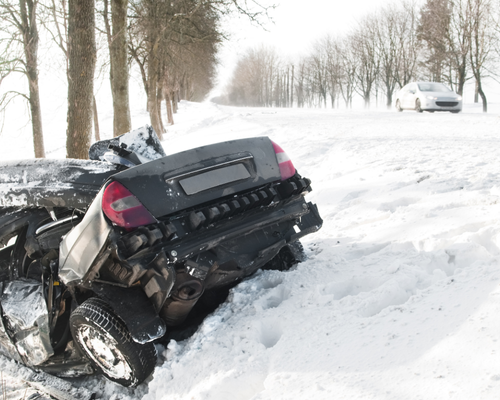
Snow, ice, and freezing rain can make Connecticut roads treacherous in the winter. Slippery conditions and reduced visibility contribute to accidents that often result in injuries.

Winter Driving Statistics:

Safety Tips for Drivers:

  • Check your tires, brakes, and windshield wipers regularly.
  • Drive slowly and increase your following distance on icy roads.
  • Avoid unnecessary travel during snowstorms.

Hypothermia and Frostbite

Prolonged exposure to freezing temperatures can result in hypothermia or frostbite, especially for children and older adults.

How to Prevent Cold-Related Injuries:

  • Dress in layers and cover exposed skin.
  • Limit time spent outdoors in extreme cold.
  • Watch for signs of hypothermia (e.g., shivering, confusion) and frostbite (e.g., numbness, skin discoloration).

Snow Shoveling Injuries

Clearing snow may seem routine, but it can lead to serious injuries, such as back strains, sprains, or even heart attacks.

Prevention Tips for Snow Removal:

  • Use proper lifting techniques.
  • Take breaks and avoid overexertion.
  • Consider hiring a snow removal service if you have pre-existing health conditions.

Winter Sports Injuries

Activities like skiing, snowboarding, and ice skating are fun but come with risks. Common injuries include fractures, sprains, and concussions.

Tips to Stay Safe While Enjoying Winter Sports:

  • Wear proper protective gear.
  • Stay within your skill level.
  • Follow all safety guidelines for the activity.

What to Do If You’re Injured in Winter

If you’re injured in a winter-related accident due to someone else’s negligence—whether it’s a slip on an icy walkway or a car accident on snowy roads—you may be entitled to compensation. Property and business owners are required to maintain safe conditions, and failure to do so can make them liable for injuries.

At Vining Law, we help Connecticut residents navigate personal injury claims with compassion and professionalism. We understand the complexities of winter-related cases and will fight to ensure you receive the compensation you deserve for medical bills, lost wages, and pain and suffering.

Why Choose Vining Law?

At Vining Law, we’re committed to serving the Connecticut community with personalized legal support. When you work with us, you can expect:

  • Dedication to Your Case: We work closely with you to understand your unique situation.
  • Strong Advocacy: We’ll pursue the best possible outcome for your case.
  • Clear Communication: We ensure you’re informed every step of the way.

If you or a loved one has been injured this winter, don’t hesitate to reach out. Contact us at (203) 800-7380 for a free consultation. Stay safe this winter, and remember—Vining Law is here to help.

Disclaimer: This blog is for informational purposes only and should not be construed as legal advice. Consult with a qualified attorney for legal guidance specific to your situation.

This site is registered on wpml.org as a development site. Switch to a production site key to remove this banner.