Winter Car Accidents in Connecticut: What You Need to Know When Ice and Snow Cause a Crash

Connecticut winters bring freezing temperatures, heavy snow, and icy roads. These conditions create dangerous situations for drivers throughout the state. If you have been injured in a winter weather car accident, you may feel unsure about what comes next or how fault is determined. The truth is that winter weather contributes to crashes, but it rarely excuses unsafe driving.

At The Vining Law Firm, we help victims of winter crashes understand their rights, gather evidence, and pursue the compensation they need to move forward.

Understanding Winter Driving Accidents in Connecticut

Driving in winter weather requires extra caution. Snow, black ice, freezing rain, and sleet can reduce visibility and make it difficult to control a vehicle. Many accidents happen because drivers fail to adjust their behavior for these conditions.

Common causes of winter accidents include:

Driving too fast for conditions
Speed limits are designed for ideal weather. A driver going the posted speed on icy roads may still be considered negligent if that speed is unsafe.

Failure to clear snow and ice from a vehicle
Connecticut law requires drivers to remove snow and ice before hitting the road. Falling ice can crack windshields, block visibility, or cause sudden swerves and collisions.

Following too closely
Vehicles need more time to stop in snow and ice. Tailgating on winter roads frequently leads to rear-end crashes.

Sudden braking or unsafe steering
Jerky movements can cause a vehicle to lose traction. Inexperienced or unprepared drivers often panic in slippery conditions.

Determining Fault After a Winter Weather Accident

A common misconception is that no one is at fault because the weather caused the crash. In Connecticut, drivers are responsible for operating their vehicles safely at all times, even during winter storms.

If a driver fails to adjust for weather conditions, they can be held liable. For example:

  • A driver speeding on icy roads loses control
  • A driver rear-ends another vehicle because they followed too closely
  • Snow or ice left on a vehicle causes harm to others

Establishing fault often requires evidence such as police reports, witness statements, weather data, and photos of the crash scene. Working with an experienced attorney can help ensure that this evidence is collected and preserved.

What About Single-Car Accidents

Single-car winter accidents are common in Connecticut. Drivers may slide off the road, hit a guardrail, or crash into snowbanks or trees. While sometimes the driver is at fault, other factors may also play a role.

Possible causes include:

Poorly maintained roads
Untreated roads, icy intersections, and uncleared snow can contribute to crashes. In some situations, a municipality or property owner may share responsibility.

Falling snow or ice from other vehicles
If a truck or SUV did not clear its roof and falling snow caused you to crash, that driver may be responsible.

Vehicle defects
Brake failures, steering issues, or defective tires can cause accidents. In these cases, a manufacturer or repair shop may be at fault.

If you were involved in a single-car accident, do not assume you are automatically to blame. An investigation may reveal other contributing factors.

What to Do After a Winter Car Accident

Taking the right steps after a winter crash can protect both your health and your legal rights.

  • Move to a safe area and check for injuries
  • Call 911 to report the accident
  • Take photos of the vehicles, road conditions, and any visible injuries
  • Exchange information with the other driver
  • Identify any vehicle responsible for falling snow or ice
  • Seek medical care as soon as possible
  • Contact an attorney before speaking with insurance companies

Insurance companies often try to blame the weather. We work to make sure the full picture is presented.

Where Winter Accidents Commonly Occur in Connecticut

Accidents can happen anywhere, but certain areas are especially prone to winter crashes.

Highways and Interstates
I-95, I-91, I-84, and the Merritt Parkway often see severe winter accidents due to heavy traffic, freezing bridges, and sudden weather changes.

Local Roads and Suburban Areas
Neighborhood streets can become dangerously slick, especially near hills and intersections.

Bridges and Overpasses
Bridges freeze faster than regular roads. Black ice on structures like the Pearl Harbor Memorial Bridge and Gold Star Memorial Bridge is a major hazard.

Hilly and Rural Areas
Towns in northern and western Connecticut often experience significant snow accumulation and steep grades that make winter driving difficult.

Take Action Today

Winter weather accidents can leave you overwhelmed, injured, and unsure where to turn. You do not have to face the process alone. If you have been hurt in a car accident caused by ice or snow, The Vining Law Firm is here to help. We will handle the insurance companies, investigate the crash, and fight for the compensation you deserve.

Call us today for a free consultation.

Victory starts with Vining.

Disclaimer: This blog is for informational purposes only and should not be construed as legal advice. Consult with a qualified attorney for legal guidance specific to your situation.

Fall Driving Safety Tips for Connecticut Drivers

In Connecticut, fall is one of the best times of year. The cooler weather and changing leaves make it a season to look forward to. But as the seasons change, so do the risks on the road.

Even good drivers can get caught off guard. Wet leaves, early sunsets, and deer crossings all create hazards. Adjusting how you drive can make a big difference.

Common Fall Driving Hazards

Wet leaves
Leaves look harmless, but when wet, they can be as slippery as ice. Avoid sudden braking or sharp turns on leaf-covered roads.

Sun glare
The fall sun sits lower in the sky. That means strong glare during your commute. Keep a clean windshield and wear polarized sunglasses to protect your vision.

Rainy conditions
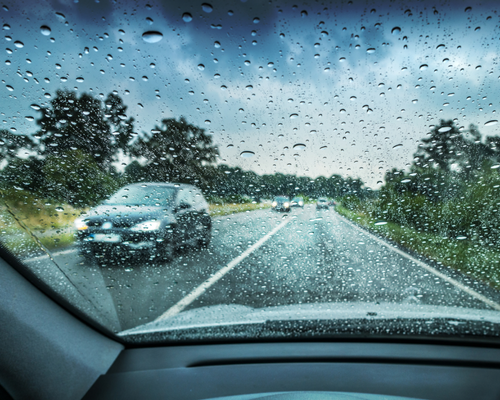
Autumn showers can quickly make roads dangerous. Slow down, turn on your headlights, and watch for standing water. Hydroplaning happens fast.

Deer crossings
Fall is peak deer season in Connecticut. Deer are most active at dawn and dusk. Striking one can total your car and cause serious injuries. Stay alert in wooded areas.

Earlier sunsets
By late fall, many evening commutes are in the dark. Make sure your headlights are working and give yourself extra space between vehicles.

What to Do After an Accident

Even if you drive carefully, not everyone else will. If you are in an accident:

  • Move to a safe location if possible
  • Check for injuries and seek medical help
  • Call the police to report the crash
  • Document what happened and exchange information
  • Contact an attorney to understand your options

Protecting Connecticut Drivers This Fall

At The Vining Law Firm, we help people who are injured in crashes caused by careless or intoxicated drivers. You should not have to carry the burden alone.

As New Haven and the rest of Connecticut move into the fall season, remember: safe driving matters, but when accidents happen, your rights matter too.

Contact The Vining Law Firm today for a free consultation.

Victory starts with Vining.

Disclaimer: This blog is for informational purposes only and should not be construed as legal advice. Consult with a qualified attorney for legal guidance specific to your situation.
How to Stay Safe While Driving in the Rain

Rainy weather brings an increased risk of accidents due to slippery roads and reduced visibility. Whether it’s a light drizzle or a heavy downpour, taking the right precautions can help you avoid dangerous situations and keep yourself and others safe. Here’s what you need to know when driving in wet conditions.

Turn on Your Headlights and Windshield Wipers

No matter how light the rain is, always use your windshield wipers to keep your view clear. In heavy rain, reduced visibility can make it difficult to see other vehicles and road signs. Turning on your headlights improves visibility and ensures that other drivers can see you as well.

Slow Down and Adjust Your Speed

Wet roads can be slick, increasing the chances of skidding or losing control. It may be tempting to maintain your normal speed, but slowing down is the safest choice. Reducing your speed gives your tires more traction and allows for better handling on slippery roads.

Watch Out for Hydroplaning

Hydroplaning happens when your tires lose contact with the road due to excess water, making it feel like your vehicle is gliding uncontrollably. If this occurs, stay calm—avoid braking or making sudden movements. Instead, ease off the gas and steer gently in the direction you want to go. To prevent hydroplaning, avoid driving through puddles and maintain a moderate speed.

Keep a Safe Following Distance

Stopping distances increase on wet roads. Give yourself extra space between your vehicle and the one in front of you to allow for slower, controlled braking. A greater following distance reduces the risk of rear-end collisions and gives you more time to react in case of sudden stops.

Avoid Flooded Roads

Heavy rain can cause sudden flooding, creating dangerous driving conditions. Even just a few inches of water can affect your control, while deeper water can stall your engine or sweep your vehicle away. If you must drive through a flooded area, proceed slowly and cautiously while watching for hidden debris or road damage.

Stay Focused and Drive Defensively

Rainy weather requires extra awareness behind the wheel. Be prepared for unexpected stops, road hazards, and other drivers who may not be as cautious. Stay alert, avoid distractions, and be ready to react if necessary. Defensive driving is key to staying safe in wet conditions.

Know Your Legal Rights

Even with the best precautions, accidents can still happen in rainy weather. If you were involved in a weather-related crash due to another driver’s negligence, you may be entitled to compensation. At The Vining Law Firm, we help accident victims understand their rights and seek fair compensation.

Contact us today for a free consultation.

Disclaimer: This blog is for informational purposes only and should not be construed as legal advice. Consult with a qualified attorney for legal guidance specific to your situation.
Common Winter Injury Claims in Connecticut: How to Stay Safe

Winter in Connecticut brings beautiful snowy landscapes but also dangerous conditions that can lead to personal injuries. At Vining Law, we understand how these injuries can impact your life. Our goal is to inform you about common winter-related injuries, provide prevention tips, and explain how we can help if you’re injured due to someone else’s negligence.

Slip-and-Fall Accidents

Slip-and-fall incidents are among the most common winter injury claims. Icy sidewalks, parking lots, and other public spaces can become hazardous without proper maintenance. Property owners in Connecticut have a responsibility to clear snow and ice from their premises to ensure public safety.

Common Causes of Winter Slip-and-Fall Accidents:

  • Sidewalk Slips: Often caused by unshoveled or untreated pathways.
  • Parking Lot Falls: Poorly maintained lots can become icy hazards.
  • Stairs and Ramps: Without non-slip surfaces or handrails, these can become dangerous.
  • Retail or Commercial Spaces: Melted snow near entrances can create slick conditions.

Prevention Tips:

  • Wear shoes with good traction.
  • Walk cautiously on icy or snowy surfaces.
  • Property owners should salt walkways and clear ice promptly.

Motor Vehicle Accidents

Snow, ice, and freezing rain can make Connecticut roads treacherous in the winter. Slippery conditions and reduced visibility contribute to accidents that often result in injuries.

Winter Driving Statistics:

Safety Tips for Drivers:

  • Check your tires, brakes, and windshield wipers regularly.
  • Drive slowly and increase your following distance on icy roads.
  • Avoid unnecessary travel during snowstorms.

Hypothermia and Frostbite

Prolonged exposure to freezing temperatures can result in hypothermia or frostbite, especially for children and older adults.

How to Prevent Cold-Related Injuries:

  • Dress in layers and cover exposed skin.
  • Limit time spent outdoors in extreme cold.
  • Watch for signs of hypothermia (e.g., shivering, confusion) and frostbite (e.g., numbness, skin discoloration).

Snow Shoveling Injuries

Clearing snow may seem routine, but it can lead to serious injuries, such as back strains, sprains, or even heart attacks.

Prevention Tips for Snow Removal:

  • Use proper lifting techniques.
  • Take breaks and avoid overexertion.
  • Consider hiring a snow removal service if you have pre-existing health conditions.

Winter Sports Injuries

Activities like skiing, snowboarding, and ice skating are fun but come with risks. Common injuries include fractures, sprains, and concussions.

Tips to Stay Safe While Enjoying Winter Sports:

  • Wear proper protective gear.
  • Stay within your skill level.
  • Follow all safety guidelines for the activity.

What to Do If You’re Injured in Winter

If you’re injured in a winter-related accident due to someone else’s negligence—whether it’s a slip on an icy walkway or a car accident on snowy roads—you may be entitled to compensation. Property and business owners are required to maintain safe conditions, and failure to do so can make them liable for injuries.

At Vining Law, we help Connecticut residents navigate personal injury claims with compassion and professionalism. We understand the complexities of winter-related cases and will fight to ensure you receive the compensation you deserve for medical bills, lost wages, and pain and suffering.

Why Choose Vining Law?

At Vining Law, we’re committed to serving the Connecticut community with personalized legal support. When you work with us, you can expect:

  • Dedication to Your Case: We work closely with you to understand your unique situation.
  • Strong Advocacy: We’ll pursue the best possible outcome for your case.
  • Clear Communication: We ensure you’re informed every step of the way.

If you or a loved one has been injured this winter, don’t hesitate to reach out. Contact us at (203) 800-7380 for a free consultation. Stay safe this winter, and remember—Vining Law is here to help.

Disclaimer: This blog is for informational purposes only and should not be construed as legal advice. Consult with a qualified attorney for legal guidance specific to your situation.

Five Essential Safety Tips to Prevent Teen Car Accidents in Connecticut

As teens embark on their journey behind the wheel, they represent some of the least experienced drivers on the road. It becomes paramount to impart not only the rules of driving but also crucial safety precautions aimed at preventing Connecticut car accidents that may result in injury or property damage, for both themselves and other road users.

The Significance of Safety Conversations

Though convincing teens of their vulnerability can be challenging, it’s imperative for them to understand that driving is a privilege that comes with grave responsibilities. Parents play a vital role in conveying this message, engaging in discussions about the dangers of driving and the potential life-altering consequences of their actions behind the wheel.

Lead by Example

Surprisingly, when it comes to driving, teens often emulate the behavior of their parents. While teens may sometimes disregard parental advice, they often mirror their driving habits. Therefore, alongside discussing safety, it’s equally crucial for parents to model safe driving practices, as their behavior behind the wheel directly influences their teen’s driving habits.

Key Talking Points for Teen Safety

  1. Buckle Up: Emphasize the importance of always wearing a seatbelt, as it is the most effective safety measure any driver can take.
  2. Obey Speed Limits: Address the misconception of invincibility associated with speeding and stress the importance of adhering to speed limits to prevent serious injuries.
  3. Signal Turns: Instill the habit of always using turn signals, a fundamental rule applicable to all drivers.
  4. Stay Focused: Highlight the dangers of distractions such as cell phones, food, or friends in the car, and encourage teens to remain focused on the road.
  5. Maintain Safe Distance: Stress the importance of maintaining a safe distance from vehicles ahead or behind, which increases reaction time and reduces the risk of collisions.

Setting a Safe Precedent

Incorporating these tips into a teen’s driving habits significantly reduces the risk of car accidents in Connecticut and subsequent injuries or property damage. While teens aren’t inherently worse drivers, their lack of experience underscores the importance of sharing these safety measures. Moreover, leading by example by demonstrating these behaviors while driving with teens further reinforces their significance.

Seek Legal Counsel When Needed

In the unfortunate event of a teen being involved in an accident and sustaining injuries, seeking assistance from an experienced attorney becomes crucial. Contact our office, and one of our seasoned attorneys will discuss your situation with you and collaborate on safeguarding your son or daughter’s long-term interests.

This site is registered on wpml.org as a development site. Switch to a production site key to remove this banner.